signs your self esteem is improving
Your self esteem is an important determinant for how you view yourself. It’s a gateway to self confidence and self respect.
A positive self esteem can improve your boundaries, outlook on life, relationships and more.
“Positive self-esteem also means believing in your ability to learn, achieve, and contribute, as well as having the autonomy to do things independently. It means recognizing that your ideas, feelings, and opinions matter,” according to VeryWell Mind.
A negative self esteem can make you self conscious and more susceptible to mistreatment and being taken advantage of. It can also lead to mental health issues, lack of motivation and insecurities.
It’s always a nice thing to find ways to improve your self esteem, and it’s a process that doesn’t immediately get results. It takes time, effort and internal work to improve your self esteem.
While you’re strengthening your outlook on yourself, you may get discouraged or have setbacks.
But there are signs to tell if your self esteem is improving, such as being less sensitive to criticism, more confident in your insecurities and more comfortable speaking up for what you believe.
signs your self esteem is increasing
#1 you’re getting more comfortable with your flaws and insecurities.
Flaws and insecurities are a part of life. I don’t know anyone, both women and men, who doesn’t have any insecurities at all.
Just because we have them, doesn’t mean we can’t learn to be okay with them (and dare I say appreciate them?) Things that we don’t like about ourselves can make us feel self conscious and contribute to a low self esteem (duh!).
So when you do feel yourself becoming more comfortable with your flaws and insecurities, it’s one of the easiest steps to knowing that your self esteem is improving.
That shift can look like looking in the mirror for longer, not constantly apologizing for that one thing you can’t control, showing off areas you think are “trouble spots” and other similar instances.
similar content: gentle coping strategies for when you feel insecure
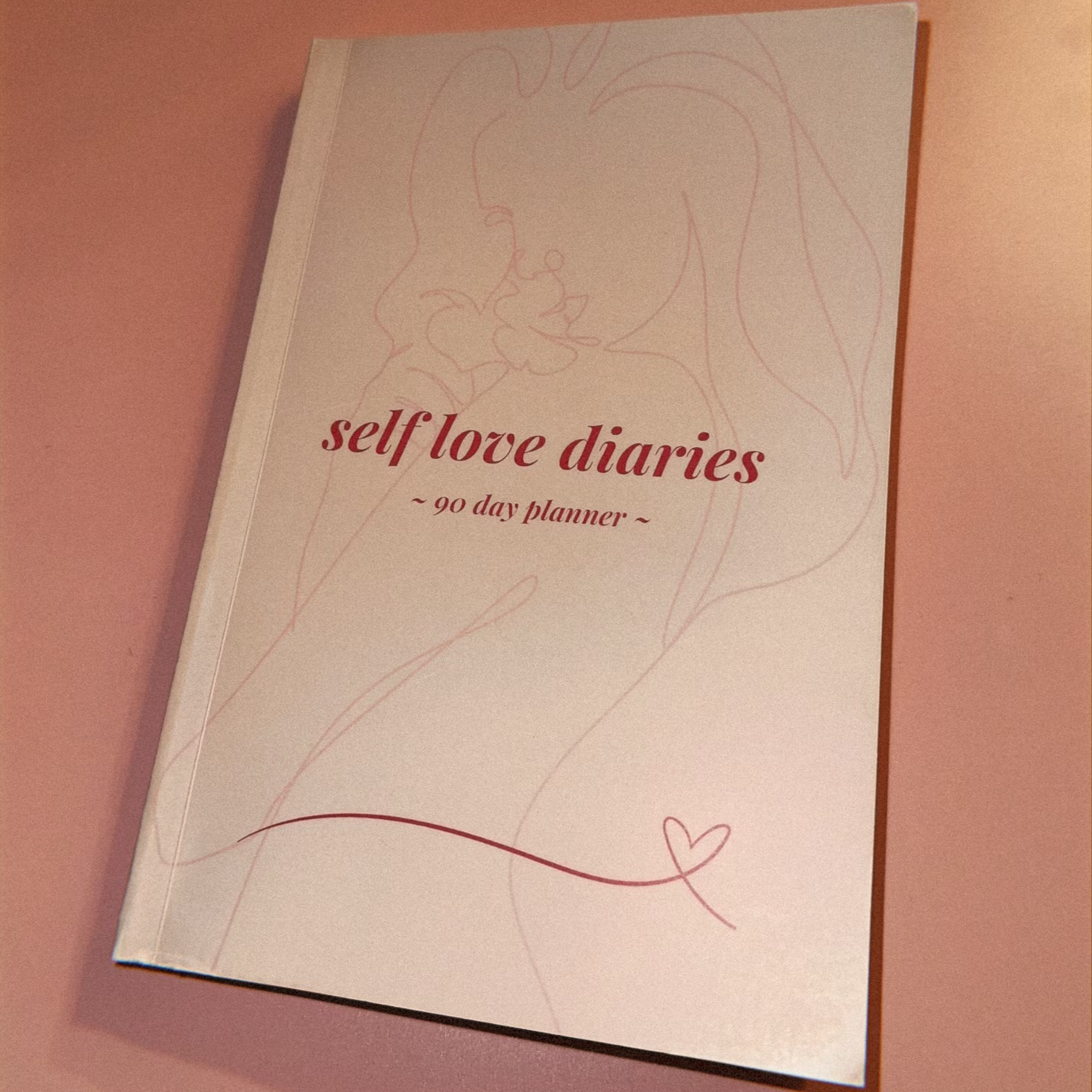
self love daily planner
beyond being a daily organizer and self care planner, our journal is a guided self love experience aimed at promoting wellness and personal growth.
#2 your imposter syndrome is dwindling.
Imposter syndrome is the feeling that you don’t deserve your own success and aren’t prepared for everything you’re accomplishing.
Some ways you can improve your imposter syndrome is to remind yourself of your own achievements, acknowledge moments when you’ve made it through challenging tasks and refresh your memory of why you belong in certain rooms.
As your imposter syndrome dwindles, you feel more confident in yourself and your potential. You feel like you’re fully capable of your dreams and success, and crave even more of it.
You know you’ve grown the skills, capabilities and resilience to be where you are now.
All of those things are determinants of your self esteem improving, and that’s something to be proud of yourself for.
more to dive into: journal prompts to help you fight imposter syndrome
#3 you’re more optimistic about the future.
Your future has so much potential, whether you envision that or not. When you have a low self esteem, it can often come with low motivation and not a lot of optimism about your future.
There have been plenty of times when I’ve felt like I didn’t know how my future could be bright, if I felt so shitty about myself in the present.
But I do notice that I feel more optimistic about my future, when my self esteem is a little higher and my mental health is doing well.
Pessimism about your future can also come from mental health struggles, like depression and anxiety, past traumatic events, health issues and many other factors. So be careful of fully blaming a low self esteem for not thinking of your future in a positive light.
#4 you stop self sabotaging different areas in your life.
Self sabotaging can be done in relationships, your career, opportunities, hobbies and life in general.
Personally, I’ve avoided new situations because I don’t want to get hurt and have probably missed out on a lot of opportunities because of self sabotaging.
But my insecurities and self esteem have pushed me to self sabotage more. They have pushed me to try to “protect myself” from scenarios that scare me. But that’s not fair to myself.
Once your self esteem starts to rise, you’ll notice you’re more daring and open to opportunities.
You know what’s good and bad for you, and you don’t let your self esteem or insecurities hold you back from something that can be a positive in your life.
#5 you’re less sensitive to criticism and confrontation.
When someone comes to you with a critique, or something you did that bothered them, you’re not quick to get defensive and make excuses for yourself.
If it came from a respectful place or out of love, you don’t take criticism too much to heart. You don’t let it shut you down, and you don’t let it immediately ruin your mood or confidence.
When you have low esteem, it’s easy to take something negative someone says to you as the worst thing in the world.
I’ve thought about things people have said for months, and it’s not pretty to constantly replay their words in your head.
People with high self esteem take criticism (if it’s respectful!) as something to keep in mind, not something that means you’re the worst person in the world.
additional content: how to build self esteem and confidence
#6 you’re not focused on what others are doing.
It’s easy to get distracted by what others are doing, whether it’s the success they are achieving, places they are traveling to, who they are dating, what possessions they have, etc.
They don’t say comparison is the thief of joy for nothing. But what they don’t tell you is it also steals your self esteem and confidence. Comparing yourself to what others are doing only leaves you sad about your own life.
It’s also a cycle, so as comparison makes you feel less confident, that low self esteem keeps you stuck checking up on others’ lives to feel better about your own.
This vicious cycle is dependent on you having a low self esteem. So as it increases, you’re not as focused on other people’s lives and how it compares to your own.
related content: quotes to help you stop comparing yourself to others
#7 you feel more confident to speak up for what you believe.
When you have low self esteem, you may feel inclined to shy away from confrontation or disagreements with others. You may not want to speak up for what you believe in out of fear of rejection, shame, bullying, etc.
As your self esteem increases, you’ll care less about disagreeing with others and trying to keep the peace, especially on topics you feel passionate about.
I know what it’s like to be around a group of people and be too scared to even contribute to the conversation because I don’t want to come off aggressive or alone in my beliefs. And I want to emphasize that this is different from shyness.
I’ve felt shyness for a lot of my life, but I notice a problem when I’m scared to speak up around my friends or people I’m close to.
more content to dive into: self esteem and confidence building journal prompts